

float glass for sale
Understanding Pilot Check Valves Function, Applications, and Benefits In the realm of fluid control systems, the pilot check valve is a crucial component that plays a significant role in maintaining system integrity and efficiency. Unlike standard check valves that solely prevent reverse flow, pilot check valves offer advanced functionality, making them indispensable in various industrial applications. What is a Pilot Check Valve? A pilot check valve is a type of check valve equipped with a pilot mechanism that allows for controlled operation. The primary function of this valve is to prevent backflow while also enabling flow in one direction under specific conditions. This dual functionality is achieved through the integration of an additional control element, which can respond to changes in pressure, allowing for precise regulation of fluid flow. How Does it Work? The operation of a pilot check valve is relatively straightforward yet highly effective. When fluid flows in the designated direction, the valve opens, allowing the fluid to pass. However, in the event of a pressure drop or reversal of flow, the pilot mechanism activates, causing the valve to close. This action effectively prevents backflow, safeguarding downstream components and maintaining system pressure. The pilot mechanism can be adjusted based on system requirements, allowing operators to set the threshold pressures for valve operation. This capability grants engineers significant flexibility in designing systems that require specific flow conditions, thereby enhancing overall efficiency. Applications of Pilot Check Valves Pilot check valves are widely used across various industries due to their versatility and reliability . Key applications include 1. Hydraulic Systems In hydraulic machinery, these valves control fluid flow in systems such as excavators, forklifts, and mobile equipment, ensuring that the hydraulic fluid doesn't flow back when not required. 2. Water Management In municipal water systems, pilot check valves prevent backflow that could contaminate the water supply, ensuring clean and safe water delivery to consumers. pilot check valve 3. Chemical Processing In the chemical industry, maintaining the integrity of fluid systems is vital. Pilot check valves help manage chemical flows, preventing backflow that could lead to dangerous spills or reactions. 4. Oil and Gas These valves are also prominently used in the oil and gas sector, where they help ensure proper flow direction and pressure control in pipeline systems. 5. Cooling Systems In HVAC applications, pilot check valves help regulate the flow of coolant, preventing backflow that could lead to inefficiencies and damage to the system. Benefits of Pilot Check Valves The incorporation of pilot check valves into fluid systems presents numerous advantages - Enhances System Safety By preventing backflow, these valves protect equipment and systems from potential damage, ensuring safer operations. - Improves Efficiency The ability to control flow direction and pressure optimizes system performance, reducing energy consumption and operational costs. - Flexibility in Design Engineers can customize pilot check valves to meet specific system requirements, enhancing the overall functionality of fluid control systems. - Reduces Maintenance Needs With their reliable operation and effective backflow prevention, pilot check valves can lead to reduced wear and tear on system components, lowering maintenance frequency and costs. Conclusion In summary, pilot check valves are essential components in numerous industrial applications, offering enhanced functionality and reliability compared to standard check valves. Their ability to control fluid flow direction while preventing backflow significantly contributes to the efficiency and safety of various systems. As industries continue to evolve and demand more sophisticated fluid control solutions, pilot check valves will undoubtedly remain pivotal in optimizing performance across a myriad of applications. Understanding their operation and advantages is crucial for engineers and operators aiming to design and maintain highly effective fluid systems.
about
float glass for sale
The Significance and Applications of 5% Gate Valves Gate valves are crucial components in various industrial systems, particularly in the oil and gas, water supply, and chemical processing sectors. These valves are designed to start or stop the flow of a fluid by lifting a barrier (the gate) out of the path of the fluid. Among the different types of gate valves, those rated at 5% capacity play a significant role due to their efficient design and operational reliability. This article explores the importance, design features, and applications of 5% gate valves in contemporary industry. Overview of Gate Valves Gate valves are traditionally used in applications where minimal turbulence is required. When fully opened, gate valves provide a smooth, unrestricted flow path and can handle high-pressure scenarios with ease. This is particularly important in pipelines where the flow speed needs to be maintained without causing pressure drops or flow turbulence, which can lead to system inefficiencies and potential damage. Understanding the 5% Specification The 5% in 5% gate valve refers to its capacity rating, which means it is well-suited for applications requiring precise control over fluid flow. In contexts such as water treatment plants or manufacturing processes where consistency is key, a 5% gate valve allows operators to finely adjust the flow rate while managing the pressures within the pipeline. The ability to control fluid flow with such accuracy can be critical for maintaining operational efficiency and ensuring safety in high-stakes environments. Design Features The design of a 5% gate valve includes several key features that distinguish it from other types of valves. Firstly, the valve's gate is typically made from robust materials like stainless steel or cast iron, ensuring durability and resistance to corrosion and wear. This is particularly important in applications that involve aggressive fluids or extreme environments. 5 gate valve Secondly, the sealing mechanism of these valves is designed to prevent leakage when closed, which is essential for maintaining pressure and preventing contamination. Advanced sealing technologies, such as elastomeric seals or metal-to-metal seating, further enhance the valve's performance. Another important aspect is the actuator mechanism, which can be manual, electric, or pneumatic. The choice of actuator depends on the specific requirements of the application, such as the speed of operation, power availability, and the need for remote control. Applications of 5% Gate Valves 5% gate valves are widely employed across various industries. In the oil and gas sector, for instance, they are used in pipeline infrastructure to regulate the flow of crude oil, natural gas, and refined products. Their ability to withstand high pressures makes them ideal for these applications, ensuring safe and efficient transport of vital resources. In the water treatment industry, 5% gate valves are commonly installed in treatment plants to control the flow of water during processing stages. They are crucial for maintaining optimal pressure levels and ensuring that the treatment process is effective. Furthermore, in chemical processing, where precise chemical mixtures are essential, these valves help control the flow of various chemicals safely. In addition to these traditional sectors, 5% gate valves are increasingly being utilized in renewable energy applications, such as biogas plants and hydroelectric power stations. Their ability to handle fluctuations in pressure and maintain flow integrity is invaluable in these rapidly evolving industries. Conclusion The role of 5% gate valves in modern industry cannot be understated. Their design focuses on reliability, precision, and durability, making them an essential choice for various critical applications. As industries continue to evolve and the demand for efficient fluid control systems rises, gate valves will undoubtedly remain at the forefront of ensuring safe and effective operations across multiple sectors. By understanding their significance, operators can better appreciate the value these valves bring to industrial processes, contributing to the overall efficiency and safety of operations.
-

High quality industrial productsagement

High quality industrial products
View Details -

Meet the diverse needs of customers

Meet the diverse needs of customers
View Details -

Strict quality control

Strict quality control
View Details -

Top raw materials

Top raw materials
View Details -

Trusted supplier

Trusted supplier
View Details
Our application


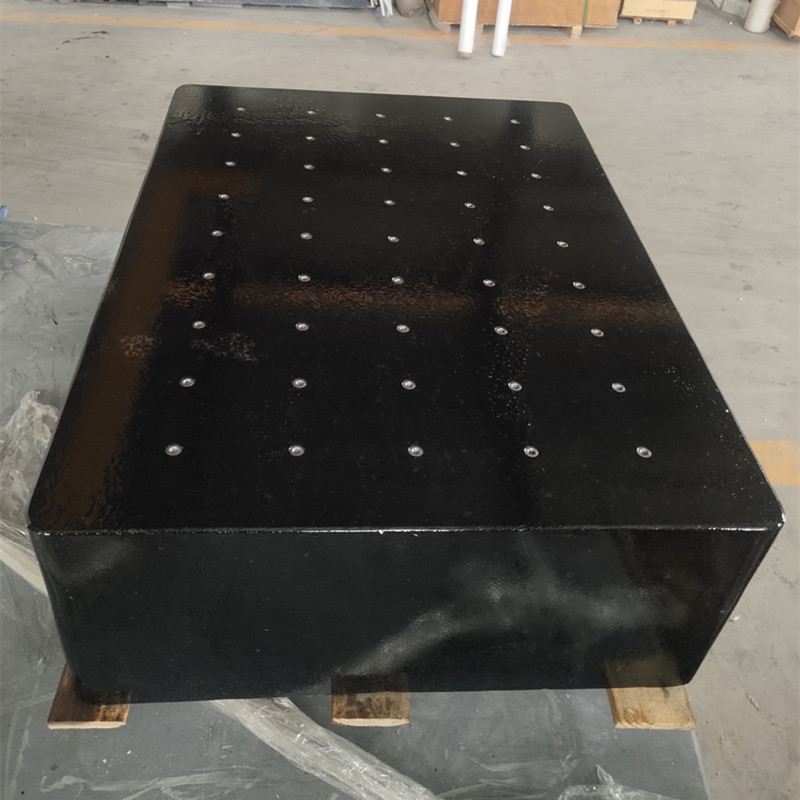

news and information
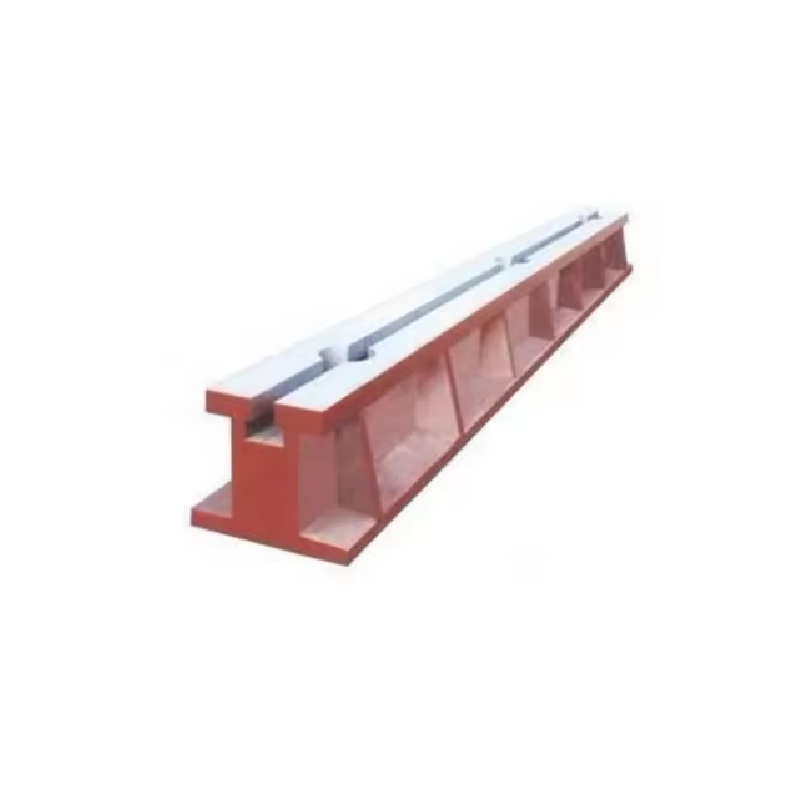
Zinc Coated Half Saddle Pipe Clamp for Secure and Reliable Pipe Mounting Solutions
Understanding Zinc-Plated Half Saddle Pipe Clamps A Comprehensive Overview In various industrial and
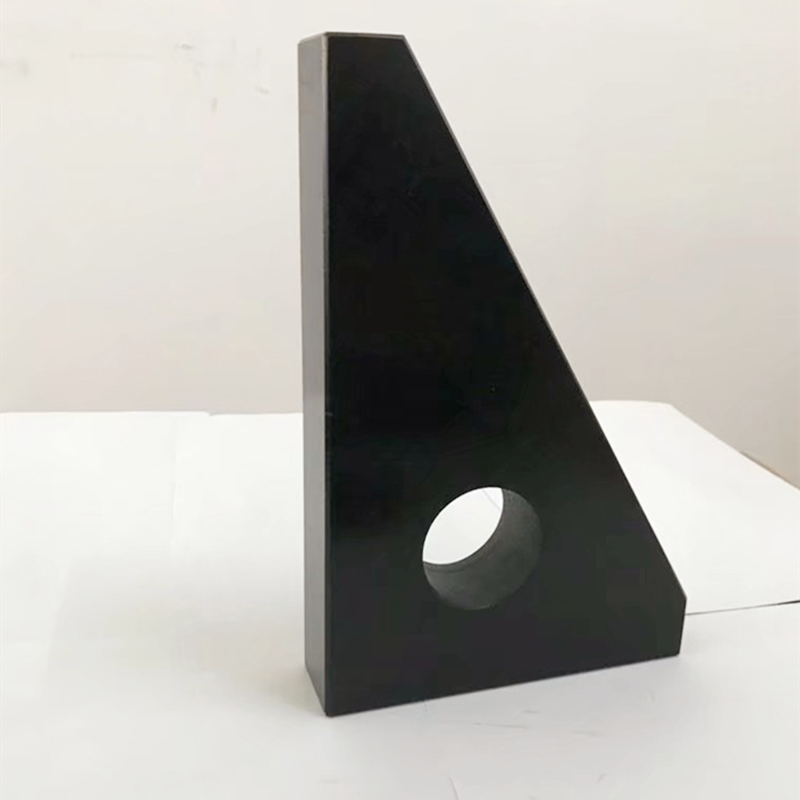
Valve Wholesale - High-Quality Valve Supply for All Industrial Needs
Understanding Valve Wholesale An Essential Component in Industrial Supply Chains In the realm of ind
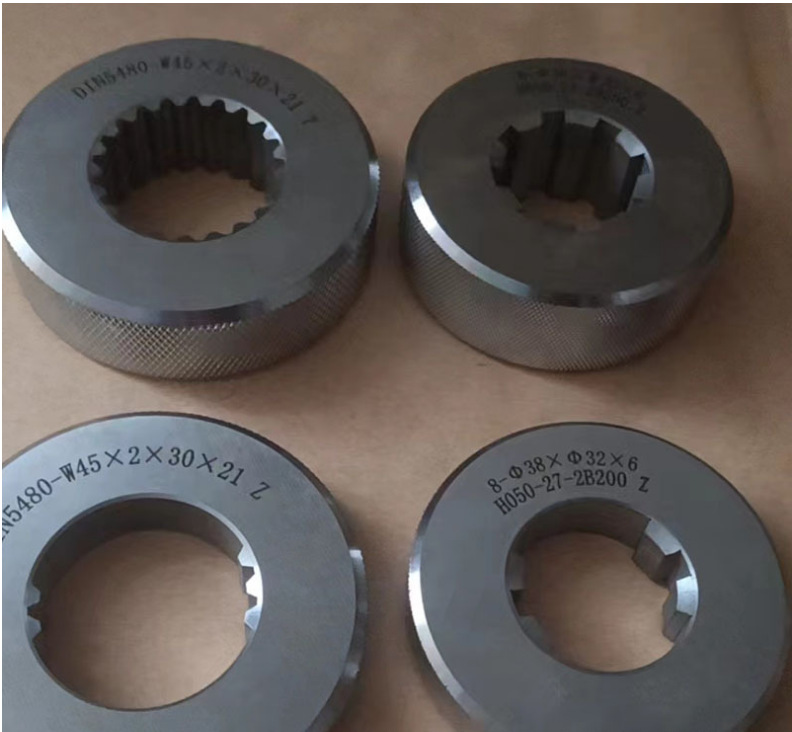
Water Hose Backflow Prevention Valve Inspection and Maintenance Guide
The Importance of Water Hose Check Valves Water hose check valves play a crucial role in hydraulic s
 English